Last week was World Cerebral Palsy day and I thought to do a post that will be helpful to caregivers of Cerebral Palsy patients, children especially.
Cerebral palsy is a motor disorder that is caused by damage to the developing brain. It primarily affects an individual’s movements, balance, and posture. I want to show you practical ways to help a child who has cerebral palsy;
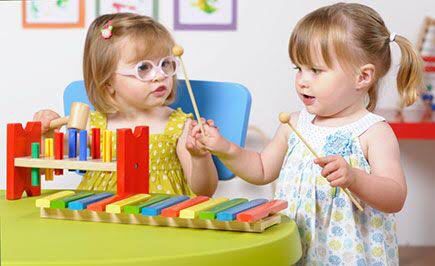
👉 Teach the child to play a musical instrument, this is what it’ll do, it will enhance flexibility and dexterity, which will in turn help refine gross and fine motor skills. A small drum with sticks for example or a small tambourine or a maracas. If you can not teach the child to play a musical instrument, you can employ a tutor if possible who is patient and capable of teaching the child.
👉 Encourage and model walking, dancing and doing exercises while listening to music, it will help strengthen the child’s muscles. It’s technically called Rhythmic auditory stimulation in music therapy, it is the synchronisation of sound and movement to facilitate improvements in biologically rhythmical functions. This rhythmic nature of music also helps to organize the child’s gait, it will teach movements timing to the beat of the music. For example modelling synchronisation of steps to lively music to improve walking speed, you can begin on a slow tempo and increase speed gradually if you are playing a live music and not a recorded one.
👉 The last but the most important is to engage in repetitions, when the results of the first try is pleasing, do not give in to the temptation of relaxing but keep on and on because the human brain is incredibly adaptable, but needs repetitive activities or exercise to become familiar with new functions.
I really looked forward to putting up a video that demonstrates what I have shared here but somehow I can not, please look out for it on my Instagram pages next week; @mercykaynimi or @escape_global. Don’t stop being grateful, I’m rooting for you always!
Kindly let me know in the comment box if this post was helpful.
Need counsel? Need help or have questions? Feel free to drop them here or if for confidentiality’s sake you don’t want to, kindly write to me; mercykayt@gmail.com.
In this post, i’d be using the term “persons” more than “patients” because I know that a lot persons who are traumatized have in one way or the other convinced themselves that there isn’t any need to see for a form of therapy as Music. You get words like “I’ll handle it” or “I’ll be fine” yet there are still lingering memories in their minds. I’ll begin with a story of what happened a long time ago.
After the Second World War, soldiers returned with head wounds and traumatic brain injuries or call it battle fatigue or shell shock as it was called during the First World War which is now called Post Traumatic Stress Disorder (PTSD).
With many of these soldiers, it was discovered that the pain and misery they experienced could only be helped by music. Medical practitioners in many veteran hospitals made it a call of duty to invite musicians to come and play for these soldiers who were patients, musicians were so excited to bring music to these broken, distressed and wounded people.
It was said of a lady by the name Kitty who had an immense intuitive gift that endeared her to the patients however terrible the issue was. Working with this individual patients called for empathy and personal interaction as much as any formal therapy and Kitty was very skilled at this, she was also an audacious improviser and was very playful both on the keyboard and in life; She helped a lot of person through this art accept what had happened and look to the future with renewed hope.
The recovery process of a person or a patient who is a victim of a traumatic experience is painful and takes time, some persons carry the memories of it for the rest of their lives. Trauma can come in form of rape, war, seeing a loved one die and lots more. Memories can be hard to go off a person’s mind, there is always a replay of the fear or the pain.
However, Music Therapy plays a major role in seeing that persons who are experiencing trauma, accept whatever happened, express emotions, enhance security and most importantly gain self confidence.
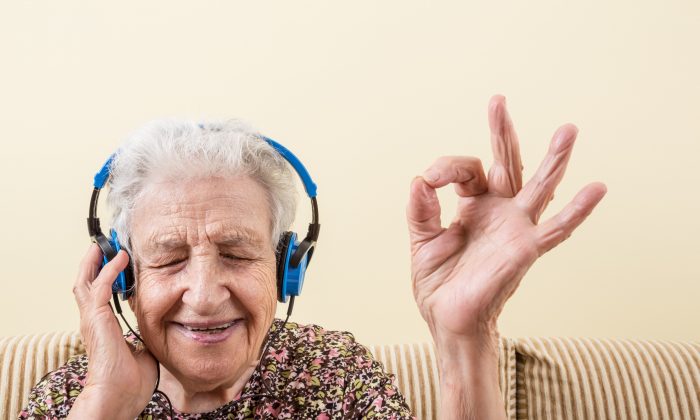
Music Therapy reduces stress and anxiety that must have been caused by the event. It brings about positive change in mood. It also brings about positive and active participation during the cause of treatment. It increases or enhances the level of a person’s control, confidence and empowerment. Physiologically it lowers blood pressure, reduces heart rate and relaxes the tension in muscles.
Music Therapy gives traumatized persons the permission to feel while healing takes place so a person begins to let out.
Below is a video that gives a practical side to what this post is all about
More often I get the question “What Kind of Music is administered to Patients in the Hospital?” This question comes especially from people who have difficulty believing that Music can restore a person back to his or her original state and even much better.
I have personally worked with patients who were choosy in the kind of music that should be administered to them, this happened in my days as an undergraduate of Music while writing my final year project.
One of the patients who I tried administering Music to as a form of Therapy was an Igbo girl who suffered Isolation and made it a habit to always talk to herself, she had poor relational skills, she also had tendency of moping.
As always I was seated a particular office in the Hospital, while waiting for an outpatient who would be kind enough to allow me carry out the practical side of my project.
This particular girl walked in at this time and in my excited state I welcomed her into the clinic. I conversed with her mother present in the office and she obliged to my offer, I got to know the genesis of the ailment and the length of time she had been battling with this.
From conversation I noticed this girl was so in love with Igbo Music that was Christian and so I sang quite a number of it with her, she sang a number that I myself did not know which made it more interesting as I did my best to catch up with the song lyrics.
I tried singing the songs and styles she wasn’t familiar with and in a space of seconds I could literally pick the turn off, her focus was off what I was singing. I tried again and again but I lost her attention because I wasn’t singing what she was familiar with.
I came to a conclusion, that the uniqueness of every human being is so important so is also what we love, she was able to flow because I sang songs that took her to the core of her real self, where she is from and who she is.
I learnt from this experience that it is expedient to know who a patient is by connecting deeply with them and not to be in a hurry to sing what I know off my heart.
I also learnt that It is important that we understand that a person or rather a patient is influenced by either the music of culture or environment or personal interest. They are likely to respond to one of these in ways that will blow your mind. One of the things that happen in Music Therapy is that Music is never forced on anyone, there is a freedom of choice because we must achieve the goal of connection and ultimately, wellness.
Can they sing other styles aside the ones they enjoy? Yes very well but it might take time based on patients personality to bring them to that point. It is usually a gradual process and as I always love to let lots of persons know, the administration of Music Therapy has a procedure but then it is so dynamic in nature. You might sometimes have to bend to make the patient satisfied.
I hope you learnt one or two things from my experience with my Igbo Patient as an undergraduate.
Let me know what you think in the comment section.
Every moment in a Music Therapy session is a miracle, why because you see life jerk dead cases, you see impossible cases bring hope.
Tinuola a FIRST class graduate of a prestigious university in Nigeria had a fatal accident on the Lagos-Ibadan expressway, this accident was meant to end her life but somehow she survived as some good Samaritans came to her rescue right in time.
She was rushed to a nearby hospital, because of the state of the hospital she was unattended to for some few minutes even though it was glaring that it was an emergency case. This complicated issues as she bled a lot and was in pain.
Alas! She was attended to and a lot of checks, tests, drips and treatment was administered. After the doctor carried out the test, he discovered that she might not be able to walk with her legs again because it had been badly damaged by the accident which meant she had to be on a wheel chair for as long as…
Tinuola wept bitterly knowing this was the time she had to be there for her parents who were doing averagely well, she knew there were lots of responsibilities on her and she there wasn’t enough fund to even take care of her bills. Thinking of this day in day out was both depressing for herself and her family.
She got lots of job offers but she couldn’t walk and work because of the condition she was in. This day a music therapist who earlier volunteered to work at the hospital took note of her and patiently listened to her story, this welled up empathy in him and thought to himself, I need to work on this.
Work started and then this Music Therapist played calming music that would make her mind wander away from the pain, he would also put the stereo on while he was away just to help her express emotions through music. She expressed her fears in tears, the pain of never having to fulfill her dreams and the feeling of what her condition might be causing the family and as days rolled by, she find herself jerking away from all of the fears.
The Music Therapist taught to himself, this might be a good time to work on your mobility, so everyday he made use of his violin to play marching rhythms and on other occasions, he used his guitar in playing marching rhythms, encouraging her with support from the Physiotherapist to move step by step.
This happened for about a month or thereabout and everyday her legs were gradually strengthened, she could stand 2 minutes and could move a short while.
In a month’s time, she found herself moving so well and of
course was later discharged.
I shared this story to let you know that the miracle in Music Therapy does happen in an instant and also happens in a process, it is most times a process, a Music Therapist sees the need to first begin working on the mind of the patient, ripping him or her of the fears and the walls that have been put up due to the accident or an ailment. The Miracle of seeing a patient jerk away from their fears might be so instant, in say maybe 4 or 5 hours thereabout or may even be more.
Let me make it more practical, flash your mind back to probably a time you were so down emotionally and a lot of things made you so fearful about life, putting on this music just all of a sudden brought you succor, making hope come alive in your heart. Can I get a witness on this? That moment when music jerked you off your fears, made you see better and hope again was a miracle produced by music.
However, many a times it is a long process (Had an experience like this in the hospital that I might probably share one of these days). Most times the miracle is in following through step by step.
A number of persons say to me, so patients just get healed like that with one strum on the guitar and I’m like No most times it is a process, sometimes tiring for the Music Therapist and might require them being there every time but always fulfilling at every stance of a miracle.
I hope you got something from this post. Below is a link to a video that helps you understand this better, kindly watch to the end.
Let me know what you think about this post and I love reading from you
Death has always been proud for it seems like no one is
capable of overcoming it. Many are scared of it.
Mrs Chinwe, an important personality in the Federal Ministry
of Works who just rose to the position of the Minister of Works in Nigeria had
just returned from an official trip in the United States.
Having figured that it was already late in the night when
they arrived, she decided she was just going to rest in her home. She told her
Personal Assistant to let her entourage know that she was headed to the house.
The information got to everyone of them and excitement filled the air as many had not seen their family members in 2 months due to series of meetings, trainings and dinners.
As Madam Chinwe headed home, she was having a chit-chat with her Personal Assistant. As she discussed her vision for the Ministry of Works, she suddenly felt a sharp pain in her chest region and before Jack, she collapsed.
For some seconds, everyone was confused. They did not know what to do. Someone among them then screamed “HOSPITAL!!!”.
As they journeyed to the Hospital, everyone had different
thoughts going on in their heads. While some thought it was because of the
stress, others thought she had offended someone in the government who had sworn
to deal with her.
In the midst of all that, they were interrupted by the security man at Alpha Clinic – “Why una plenty laidis? Who una dey find for this kind time of the night?” which simply meant “Why are you guys plenty like this and who are you looking for at this time of the night?” (for my non-Nigerian followers).
Immediately someone responded from the car saying it’s the
Minister of Works, they were eagerly allowed to go through.
When they got into the clinic, a series of test was conducted and it was discovered that she had cancer of the colon which had eaten deep into her body.
The Doctor further mentioned that there was little to which chemotherapy could do as she had about 2 months to live.It was a devastating moment. At least for people amongst them who truly cared about her.
Mrs Chinwe’s family was later contacted and informed. It was
a painful, sober and tearful moment for them.
For the first few weeks, it was a pool of tears and pain in the hospital until this very day the Music Therapist, Fiona Akinwunmi walked into the hospital after returning from her leave of absence. She was moved with so much empathy and then decided to begin taking sessions with Mrs Chinwe and her entire family.
She engaged them actively in music as they sang many songs laced with hope.
Day after day, the family got better and Mrs Chinwe’s death
got nearer. On the final week before her death, they sang the song “When
Peace like a river attendeth thy way, when sorrow like sea billows roar,
whatever my lot thou art taught me to say It is well with my soul”.
As they sang this song, there was still pain.
However, with much hope they began talking about their favourite memories. There was this glow on Mrs Chinwe’s face as they sang and listened to music.
There was peace all over her.
The Music Therapist had helped the family deal with the
painful thought of Death by echoing songs of hope over and over again while
helping them bond. She had also helped Mrs Chinwe approach death with
tranquility.
The Choral of death was sang and it healed their hearts, bringing peace as they approached the death occurrence.
While writing this story, it occurred more to me that a lot of patients with terminal illness will have probably been able to come to terms with their present state with tranquility if music therapy was introduced. I understand that Death is terrible and no one wants to watch their loved ones pass on especially when pain torments them.
Here is what I discovered; Music becomes therapeutic for dying patients and families of dying patients as they approach their last days. It also helps them relive memories that have be long forgotten and if recorded can bring the family succor when the person passes on.
Music Therapy might sometimes not improve a dying patient’s prognosis but it could distract them from the pain, the boredom, fear, frustration, anxiety they feel thereby helping them relax.
You will agree with me that the news of death coming soon for a patient is enough to cause an increase in blood pressure and heart rate, this is where Music Therapy comes in, it lowers blood pressure and heart rate. Patients become less agitated when Music Therapy is administered.
All of these is not to insinuate that Music Therapy does not help terminally ill or dying patients recuperate but to let you know that it can also be administered in a way that it makes them meet death with peace.
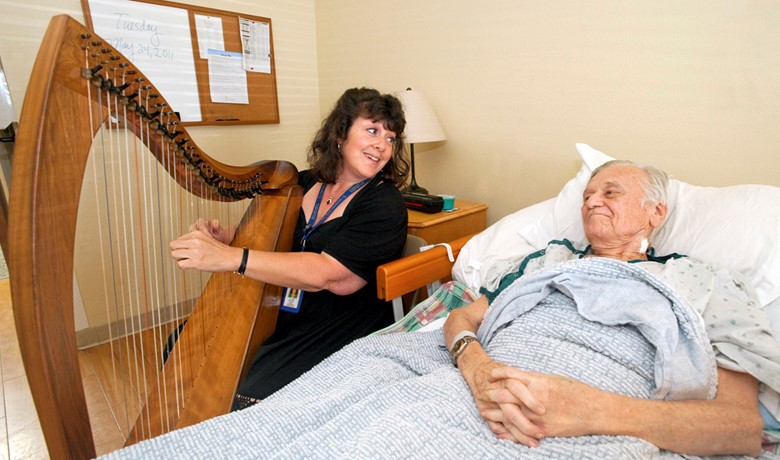
Whether Live or recorded music or engaging a patient with song writing, improvisations on a musical instrument, singing, lyrics analysis, guided imagery and so on, Music Therapy works perfectly for dying patients.
I would have loved to keep typing on the benefits of Music to dying patients but I’d not want to make this lengthy, so here is a video and an article below this post that can give a practical side or feel to this subject.
Let me know what you think about this post. I love reading from you.
Having delved into the root of Music Therapy, it is okay for us to see what Music Therapy exactly is. Is it just singing? Does it just have to do with just playing a musical instrument to a patient? Is it just about the therapist doing or about both patient and therapist doing?
Brace Up! This is going to be an amazing ride, Music Therapy is one that has been defined by many but there is a unifying similarity in all of the definitions.
The American Music Therapy Association defines Music Therapy as an established health profession in which music is used within a therapeutic relationship to address physical, emotional, cognitive, and social needs of individuals.
Merriam Webster dictionary defines it as therapy based on engagement in musical activities : the therapeutic use of music (as to reduce anxiety, improve cognitive functioning, promote physical rehabilitation, or enhance interpersonal communication) that typically involves listening to music, singing, playing musical instruments, or composing music.
Simply put, Music therapy is medicine in music; it is music in the healing process of a patient.
Music Therapy does not just happen, Music Therapists makes them happen. Who are Music Therapist? Music therapists are the amazing humans who use music to help individuals of all ages who are experiencing emotional or mental problems, or who have learning or physical disabilities or physical illnesses.
More definitions might just bore you but here is it in all of these definitions, Music is the connecting factor between the Patient, the Music Therapist and possibly the family of the Patient.
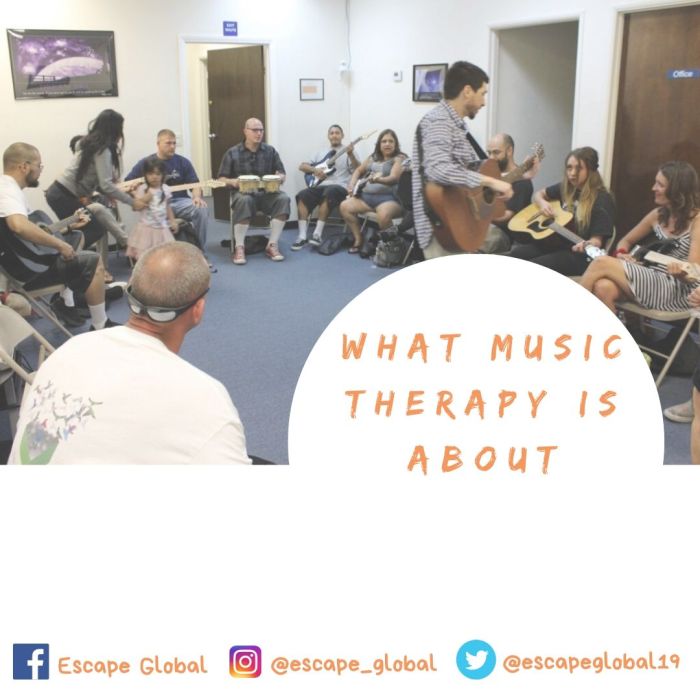
You might have been asking yourself, how does a Music Therapy session work? Do they just sing or play instruments as an individual or group? The simple answer to this is that Music Therapy sessions are dynamic, it is tailored to the need of an individual or group so it tells you that a Music Therapist doesn’t work by assumption or generalize even when persons having the exact same ailment come to the clinic for a session 2 days apart. There is a lot of observation that goes on before a music therapy session happens.
However even though the sessions are dynamic, you can expect certain expressions like song writing, improvisation through singing or playing of musical instruments, listening to music, discussion on lyrics and so on. All these is aimed at one thing WELLNESS. Music Therapy helps social skills, motor skills, cognitive skills, speech and lots more.
Beneath this post is the link to a video of one way Music Therapy sessions can be conducted, kindly let me know what you think about it.
Kindly leave your comment below on what you think about this post. I love reading from you.