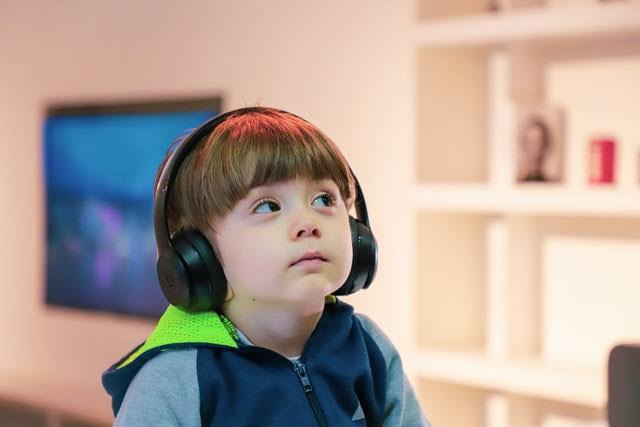
One time I had an autistic patient who came to a session I was to have with her crying, I went on to ask her mother the reason for the tears, she told me that she raised her voice at her because immediately they stepped into the hospital, she covered her face. If you are familiar with children who live with autism, you will know that they have very poor social skills, they can hardly make an eye contact.
The major reason why I’m doing this post is to help you as a caregiver teach a/your child social skills using Music. non-musical pathway may seem forceful and tiring for you and your child.
Children with poor social skills are often seen as preoccupied in their own world and may be highly passive or unresponsive in social situations. In this post, I’ll share with you steps to take and five social skills to target for intervention.
The first is to be grateful for your journey again and again, there is an air that gratitude brings, it dispels toxicity and comparison.
Next is to enrol your child in a music school if you might not be available due to work schedule or other things. The music school attendance may be an extra-curricular or full-time activity, either way is perfect. The goal is to be in an environment that is musical and increases curiosity first.
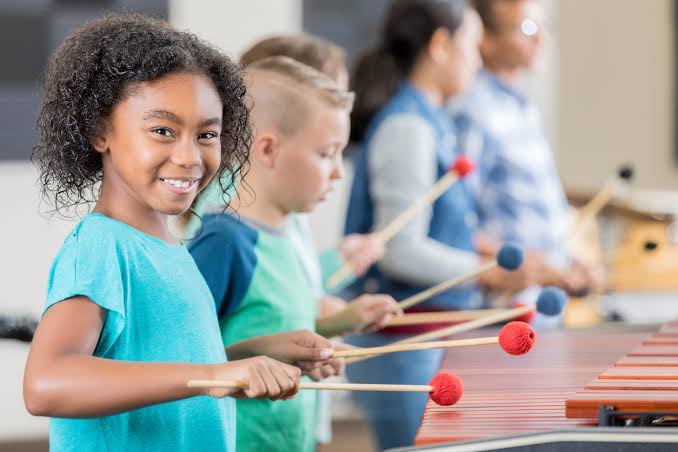
Getting a musical instrument of their choice will not be a bad idea, take note of choice because you don’t want to buy one that your child will not like or end up making use of. What musical instrument does is that it builds a level of self-awareness in them and improves relationships with others. It encourages a level of communicative behavior and interaction with others, which is something that autistic children have great difficulty with. An illustration of a band was given by someone, if we look closely at the way that a band works, it is obvious that the instruments must all interact with one another, but the player only needs to interact with the instrument at first. interacting with others can be troubling for children living with autism, but through the introduction of a musical instrument, there are possibilities that they will connect first with the object and then open up to others interacting with their musical instruments also. The autistic child whose story I shared earlier on was able to bond with music and myself through the use of musical instrument (The Guitar).
Proper interpretation of music both in lyrics and in sound, this can go a long way to help in teaching us to converse. For children with autism, it could mean learning a new word from a song, or better understanding on the way to act in a social situation based on the messages that a song expresses. We know that autism can create barriers for children in social settings, but small groups of children listening to music together may feel confident and comfortable enough to comment or sing along with others.
Using musical parody to teach them this social skills that are targeted for intervention: eye-contact, vocalization, imitation, initiation and turn-taking. For example, the popular twinkle, twinkle little star can be sung using other lyrics but same tune. That’s parody, different lyrics but same or popular tune.
- While you do this try to make eye-contact with them, let them look you in the eye and make sure to do same.
- Ask them to vocalize the song you just taught them.
- Sing and ask that they imitate you, try to make it funny and creative.
- Initiate the song and allow them continue, you can sing the first line and allow them continue
- Take turns in singing, use words likes “whoever sings first gets a bowl of ice cream”. This is to motivate them.
Finally, be sure to go over what they have learnt in the music school with them even if you are not available. Don’t just leave the entire responsibility to the music teacher.
Be sure to check my Instagram pages for a video showing you an example of social skills you can teach your child with special need using music; @mercykaynimi, @escape_global.
You are doing so well and I am rooting for you!
Do let me know in the comment box if this post was helpful.
Need counsel? Need help or have questions? Feel free to drop them here or if for confidentiality’s sake you don’t want to, kindly write to me; mercykayt@gmail.com.
Thank You.